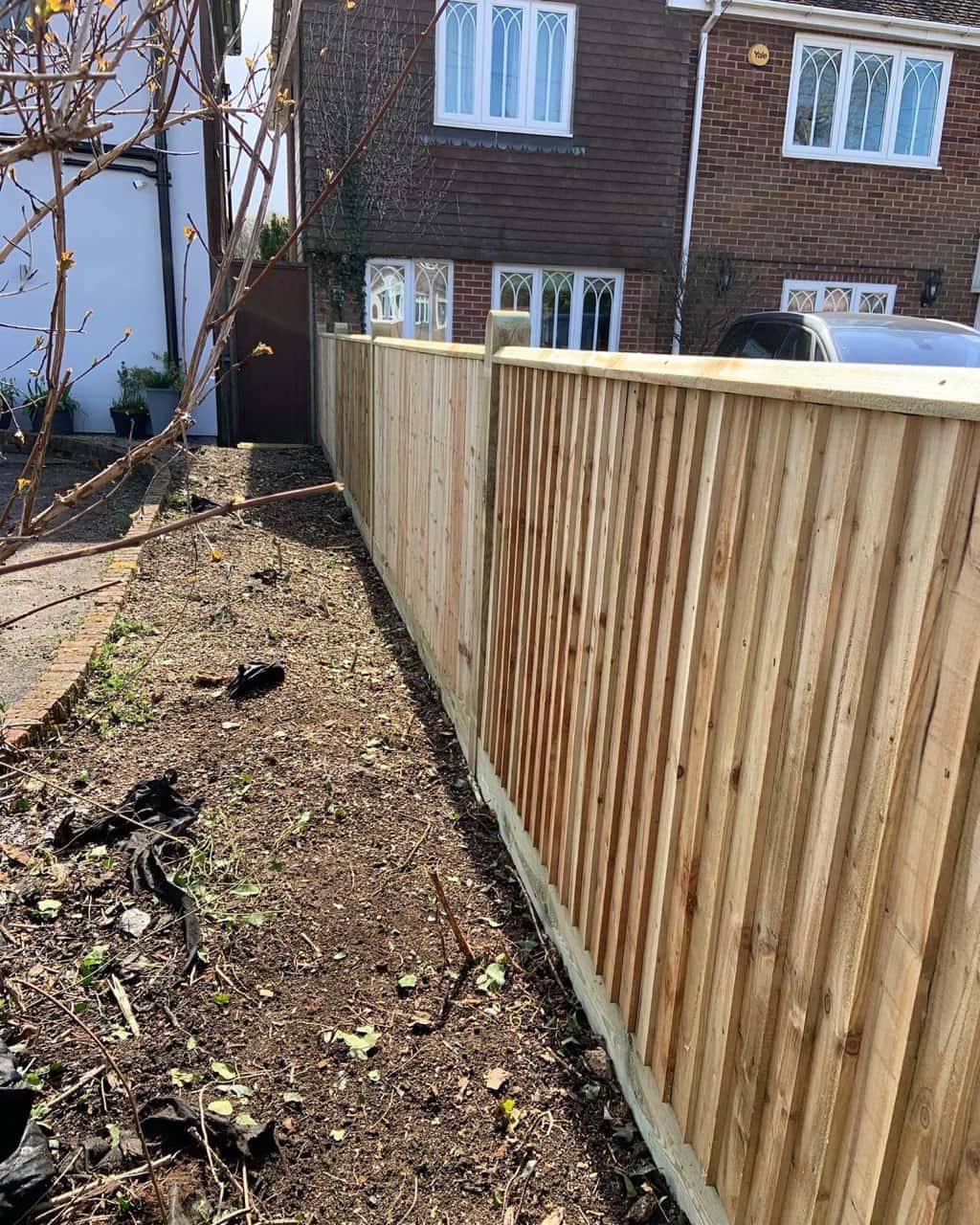
Should Privacy or Appearance Be the Priority When Choosing Fencing?
Choosing new fencing is not simply a matter of selecting a style that looks attractive. A fence can provide privacy, define boundaries, create shelter and influence how the entire garden feels. For many homeowners, this leads to an important question: should privacy or appearance take priority?
In practice, the best fencing often achieves a sensible balance between the two. The right choice depends on where the fence will be positioned, what it needs to achieve and how it relates to the surrounding outdoor space. For homeowners in Upwell, Norfolk, considering these practical requirements before selecting a fencing style can help create a boundary that performs effectively while complementing the property.
How Do You Balance Privacy and Appearance When Choosing Garden Fencing?
Privacy and appearance do not necessarily need to compete. Different fencing designs provide varying levels of screening, openness and visual character, making it possible to choose a solution suited to the particular part of the garden.
The key is to begin with the purpose of the fence. Once this is understood, its appearance can be considered alongside practical factors such as location, exposure and the amount of screening required.
Start by Deciding What the Fence Needs to Achieve
Before choosing a fencing style, consider the main reason the boundary is needed.
Some fences primarily define the edge of a property. Others are intended to create a more private seating area, separate sections of a garden or provide a stronger sense of enclosure.
The priorities can therefore differ considerably between locations.
A highly decorative open fence may be suitable where screening is unnecessary, while the same design may be less appropriate where privacy is the main objective. Starting with function helps narrow the choices before appearance becomes the deciding factor.
Privacy Can Make a Garden More Comfortable to Use
A garden may look attractive but still feel exposed.
Where neighbouring outdoor areas or frequently used spaces are visible, greater screening can make patios, seating areas and lawns feel more comfortable and defined. This can change how homeowners use their garden rather than merely altering its boundary.
Solid or closely constructed fencing can provide a stronger visual barrier than more open designs.
However, this does not mean every boundary needs maximum screening. Privacy is often most valuable in the areas where people spend the most time.
Appearance Still Has an Important Role
Fencing occupies a prominent position in many gardens. A long boundary can form a significant part of the view, meaning its style has a noticeable influence on the overall appearance of the outdoor space.
The proportions, lines and construction of a fence can either complement the garden or make the boundary feel unnecessarily dominant.
For this reason, appearance should not be treated as an afterthought even where privacy is important.
A carefully selected fence can provide effective screening while still creating a neat and considered backdrop for lawns, patios and planting.
Consider How Enclosed You Want the Garden to Feel
Greater privacy often means using a more solid boundary, but increased screening can also change the character of a garden.
Some homeowners prefer the strong sense of enclosure provided by substantial fencing. Others want privacy without making the outdoor space feel overly closed.
This is particularly relevant in smaller gardens, where a dominant fence can have a significant visual effect.
Considering how the completed boundary will influence the sense of space helps ensure the choice works for the garden as a whole rather than solving only one requirement.
Different Parts of the Garden May Need Different Priorities
There is no reason every section of fencing must serve exactly the same purpose.
A patio or frequently used seating area may benefit from greater screening, while another boundary may primarily need to provide a clear and attractive division.
Thinking about the garden in zones can therefore produce a more practical fencing plan.
The objective is consistency without assuming that every boundary has identical requirements. Professional planning can help create a coherent appearance even when the functional priorities change around the property.
Think About the View From Inside the Garden
Fencing is often considered in terms of what it prevents others from seeing, but it is equally important to consider what homeowners themselves will see.
A fence may form the background to planting, a lawn or an outdoor seating area. Its appearance can therefore affect the garden every day.
Clean lines and an appropriate fencing style can create a strong visual framework for the rest of the outdoor space.
When privacy is required, choosing a design that also works as an attractive backdrop can provide a better overall result than focusing purely on screening.
Wind Exposure Should Influence the Decision
A solid fence provides greater privacy, but its construction also affects how it interacts with the wind.
Fencing with a large continuous surface can experience considerable pressure during windy conditions. Posts, fixings and foundations therefore need to be appropriate for the chosen design and its location.
More open fencing allows some air to pass through, which creates different performance characteristics.
This does not mean that privacy fencing is unsuitable for exposed areas. It means that the structural requirements of the chosen design should form part of the planning process rather than appearance being considered independently.
Fence Posts Are an Important Part of the Choice
It is easy to focus entirely on the visible panels or boards, but the supporting posts are fundamental to the performance of the fence.
The more substantial the fencing, the more important secure support becomes. Posts need to keep the fence correctly aligned while resisting the forces transferred through the panels.
A visually attractive fence that lacks appropriate support is unlikely to provide a satisfactory long-term boundary.
Professional installation therefore considers both the chosen appearance and the structural requirements needed to support it.
Think About How the Fence Relates to the Garden
The most suitable fencing should feel connected to the space around it.
A garden with established planting may benefit from fencing that provides a simple background rather than competing visually with the plants. A more structured outdoor area may suit fencing with stronger lines and clearly defined sections.
The size and layout of the garden are also important.
Rather than choosing a fence from appearance alone, considering how it will interact with patios, lawns, paths and planting can create a more coordinated result.
Privacy Does Not Always Require the Same Fence Everywhere
Where privacy is important, it can be tempting to assume that the entire boundary needs to provide identical levels of screening.
In reality, the areas requiring the most privacy may be limited to particular parts of the garden.
Identifying these areas during planning can help create a fencing arrangement that provides screening where it adds genuine value while retaining a more open character elsewhere where appropriate.
This considered approach can make the overall garden feel more balanced.
Appearance Should Not Come at the Expense of Practicality
A particular fencing design may look ideal in isolation but still be unsuitable for the location.
The fence needs to fit the available space, work with existing boundaries and provide the required level of support and screening. Gates and access points must also integrate properly into the fence line.
Practical details can have a substantial effect on the finished appearance.
Correct alignment, consistent spacing and secure installation often contribute as much to how good a fence looks as the original style selected.
Consider How Much Ongoing Garden Access You Need
The position of fencing can influence how easily different parts of an outdoor space are accessed.
Where gates are required, their location should be considered alongside the overall boundary rather than added later. A poorly positioned access point can interrupt the visual flow of the fence or make everyday garden use less convenient.
Planning privacy, appearance and access together helps create a boundary that works as a complete system.
This is particularly important where the fence separates different functional areas within the garden.
Why Professional Fencing Advice Can Be Valuable
There is rarely one fencing style that is automatically best for every property.
The appropriate choice depends on the level of privacy required, the character of the garden, the position of the boundary and the practical demands placed on the fence.
Professional advice can help homeowners consider these factors together.
Rather than selecting a fence purely because it looks attractive or provides maximum screening, the objective is to choose a design that suits the specific setting and performs the required function effectively.
Professional Fencing in Upwell, Norfolk
At Fast Fix Fencing Upwell, we understand that a successful fence needs to do more than simply mark a boundary.
Whether privacy is the main concern, appearance is particularly important or both need to be carefully balanced, considering the garden and its requirements before installation can produce a more suitable result.
For property owners in Upwell, professionally planned and installed fencing can provide a practical boundary that complements the outdoor space without introducing unnecessary features.
Conclusion
Privacy and appearance are both important when choosing fencing, but neither needs to be the automatic priority in every situation. The right balance depends on what the fence needs to achieve and where it will be positioned.
Areas used for relaxing or entertaining may benefit from stronger screening, while other boundaries may place greater emphasis on openness and appearance. Structural support, wind exposure, garden size and access should also form part of the decision.
The most effective approach is to choose fencing based on the complete requirements of the garden rather than one consideration alone.
If you are planning new fencing for your property in Upwell, Norfolk, contact Fast Fix Fencing Upwell. We can assess your requirements and recommend a suitable fencing solution that balances privacy, appearance and practical performance.
Call us on: 01945 66 0354
Click here to find out more about Fast Fix Fencing Upwell
Click here to complete our contact form and see how we can help with your fencing needs.